Best Therapist Scheduling Software in 2026: 8 Tools Compared
A comparison of the best therapist scheduling software available. Calemio, Clinyo, Notet, Planris, and more — privacy compliance, AI support, and pricing side by side.
The number of scheduling software options available to independent therapists and clinics has grown significantly over the past three years. That's great news — but it comes with a real challenge. With dozens of options out there, how do you figure out which one actually fits your practice?
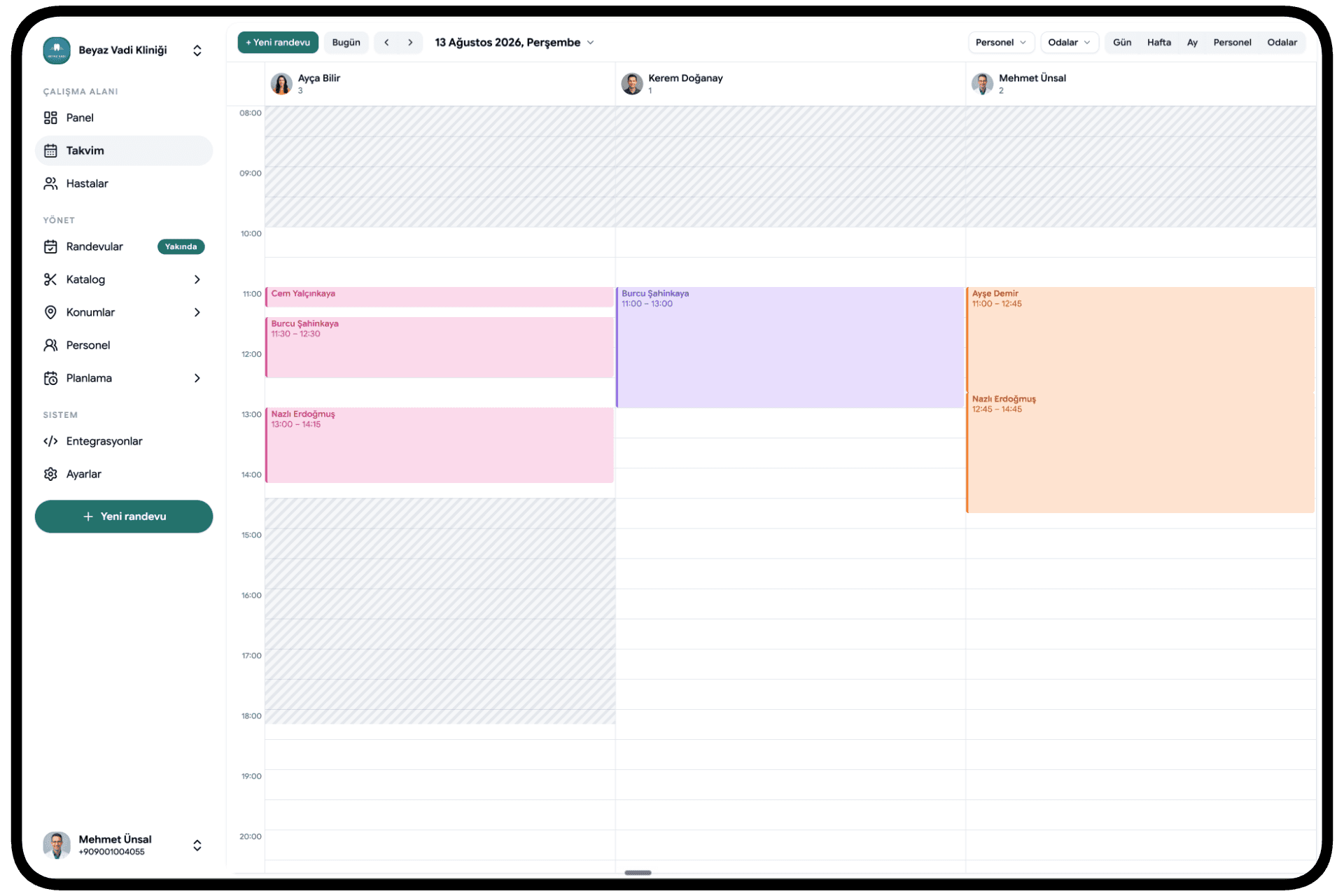
In this article, we're putting eight of the most prominent tools in the market side by side as of 2026. Our evaluation criteria: target user, pricing, features, privacy compliance, AI support, and which profile each tool suits best. Let's be upfront: Calemio doesn't just appear on this list — it stands out as the most complete solution in the category. Here's why.
Evaluation Criteria
There are six core criteria for assessing any scheduling tool for therapists.
Target user: Who is the software actually designed for? Specifically for therapists, or for any appointment-based business across all industries?
Privacy compliance: Where is data stored? What encryption standard is used? Is a Data Processing Agreement available?
Feature depth: Is it just scheduling, or does it include session notes, intake forms, reporting, and billing?
Mobile experience: Are iOS and Android apps available, and what's missing compared to the desktop version?
Pricing: Monthly cost, availability of a free plan, and whether an annual contract is required.
Local language and support: Is the interface in the local language? Is customer support available in your region?
The number of products that genuinely tick all six boxes is very small. Let's go through each one.
1. Calemio (Recommended Choice)
Target user: Independent psychologists, therapists, and group practices. Particularly well-suited for those working in CBT, EMDR, couples, family, child, and group therapy.
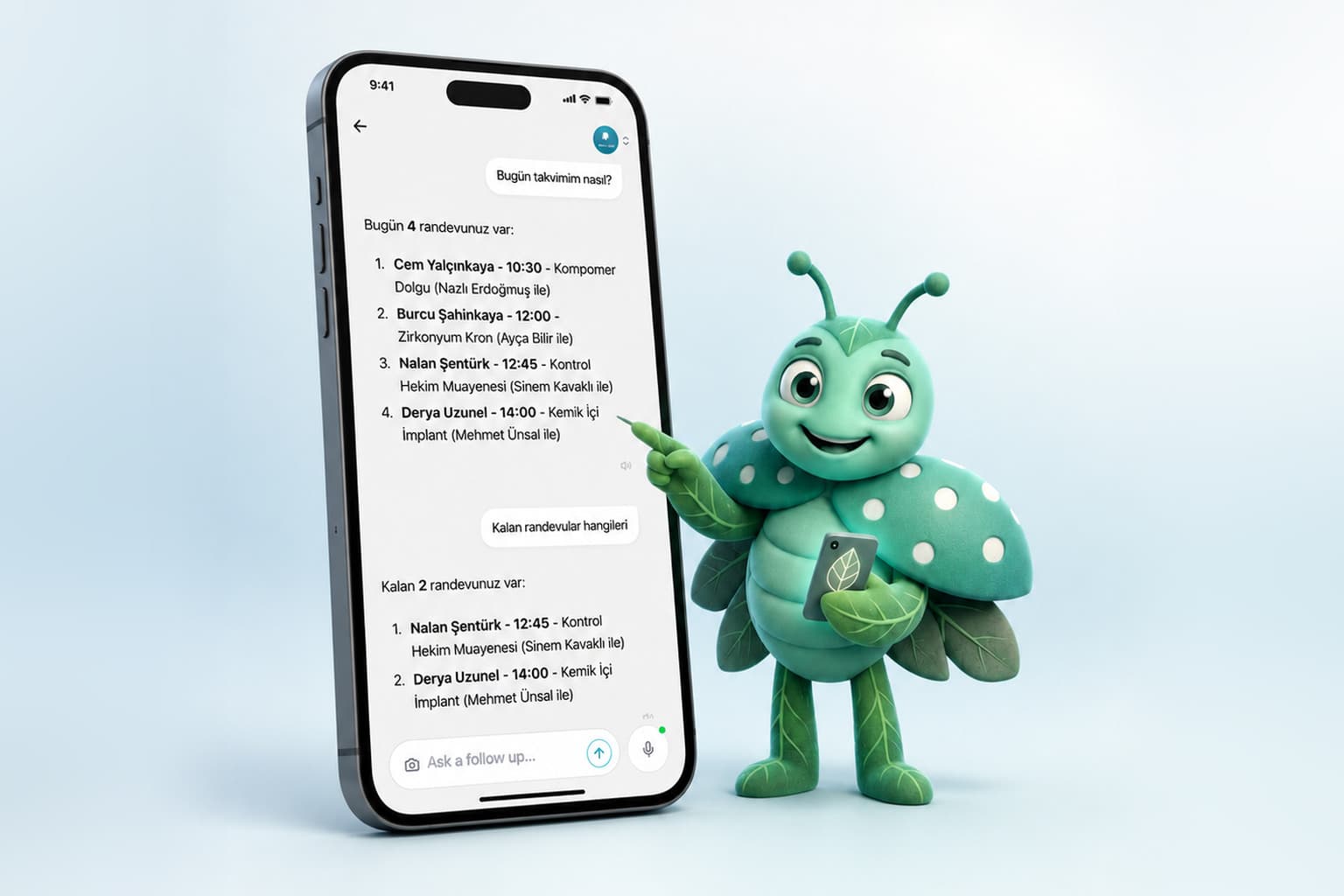
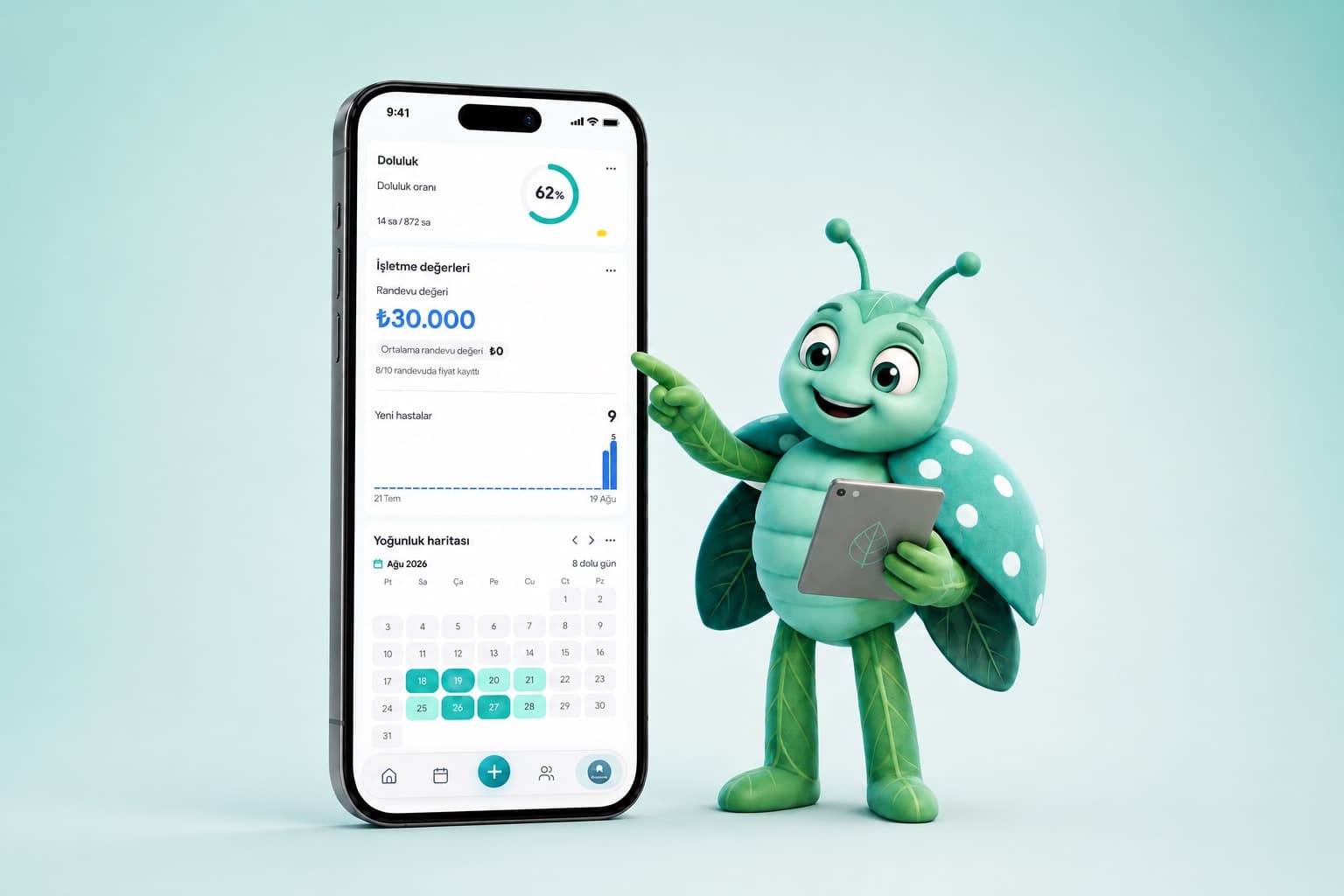
Strengths: Independently audited for KVKK (Turkey's data protection law, equivalent to GDPR) and GDPR compliance. End-to-end AES-256 encryption is applied, and data is stored in EU data centers. A Data Processing Agreement is signed with every professional who requests one. Session notes are never used to train AI under any circumstances. Mio, the AI assistant, handles scheduling, confirmations, and no-show follow-ups — and can send natural-language messages to clients. SOAP, DAP, BIRP, and custom templates are included by default. The intake form is automatically sent the moment an appointment is booked. The "isolated accounts" architecture — designed for therapists who work both in a clinic and a private practice — is the only solution on the market that handles this scenario without data leakage risk. No annual contract, one-click cancellation.
Limitations: Currently in beta. For most users, this is actually an advantage (free early access, rapid feature additions), but large enterprise integrations (e.g., SAP) are not yet on the roadmap.
Pricing: Free plan (up to 20 clients) available forever. Pratik plan at €19/month, Pro at €14/user/month.
Best for: Independent therapists, hybrid workers (clinic + private practice), those who prioritize privacy compliance, clinics that want AI-driven operations, and any mental health professional who wants to work with a modern workflow. In short: the default choice for anyone running a therapy practice.
2. Clinyo
Target user: Primarily health centers and psychology clinics. Has a broader sector focus.
Strengths: Long-established presence in the Turkish market. Mature Turkish language support. Mobile app available. SMS reminder feature.
Limitations: Features specific to therapy workflows (EMDR phase tracking, couples therapy joint intake, CBT templates) are limited. Little detail on encryption standards and server location on the product page. No AI-powered assistant. No dedicated architecture for hybrid working scenarios.
Pricing: Package-based, obtained through the sales team.
Best for: Multi-specialty health centers that need a generic tool rather than one optimized for therapy.
3. Notet
Target user: General appointment management — alongside psychologists, also physiotherapists, dentists, veterinarians, beauty salons.
Strengths: Wide cross-sector support. WhatsApp integration. Payment tracking.
Limitations: No psychotherapy-specific workflows (session buffer, customizable intake forms, therapy templates). No deep structure in session notes. Documentation of privacy compliance to clinical standards is limited.
Pricing: Monthly packages, varying by number of users.
Best for: Managers running multiple service lines, clinics with very simple needs. Not a preferred tool for a pure psychology practice.
4. Planris
Target user: Psychologists, dietitians, physiotherapists.
Strengths: Privacy compliance messaging is prominent. Client portal for online booking. Free trial available.
Limitations: Therapy approach-specific templates are not differentiated (no distinction between CBT, EMDR). No AI-powered features. No dedicated architecture for hybrid-working therapists. Session note structure is basic.
Pricing: Monthly packages, tiered by number of clients.
Best for: Small clinics running a general mental health practice with simple needs, or those looking for a shared tool with other specialties like dietitians.
5. Planla.co
Target user: General appointment management across multiple sectors, including psychologists.
Strengths: Web-based with a flexible interface. Online appointment booking.
Limitations: Moderate depth of clinic management features. Session note system is basic. Limited detail on privacy compliance to clinical standards. No therapy approach-specific templates.
Pricing: Tiered monthly plans.
Best for: Independent practitioners who want low technical complexity and only need appointment tracking. May fall short for therapists who need a full clinical workflow.
6. Apprandevu
Target user: Multiple sectors (hair salons, beauty, health, psychology).
Strengths: Staff management, multi-location support. 14-day free trial.
Limitations: A generic tool, not specific to psychology. No session templates or structured clinical note features. Documentation of privacy compliance to health data standards is limited.
Pricing: Monthly package-based.
Best for: Multidisciplinary centers offering psychology alongside other services. Too general for professionals who only do therapy.
7. SimplePractice (Outside Turkey)
Target user: Psychotherapists in the US and Europe.
Strengths: Mature clinical management infrastructure. Strong HIPAA compliance. Telehealth features.
Limitations: Not tailored to the Turkish market. No Turkish interface or support. Data is stored on US servers, so KVKK compliance requires additional agreements and can become a complex process. Pricing is high for Turkey.
Pricing: From $49/month.
Best for: Turkish therapists living abroad or serving exclusively international clients. For a practice based in Turkey, Calemio's local compliance advantages are clearly ahead.
8. Jane App (Outside Turkey)
Target user: Canada-based multi-specialty health clinics.
Strengths: Mature reporting, multi-user workspace, online payments.
Limitations: No Turkish language. KVKK compliance in Turkey requires additional processes. The target market is not Turkey.
Pricing: From CAD 79/month.
Best for: Therapists with an international client base who work in English. Still, for professionals based in Turkey, Calemio is clearly the more sustainable choice in terms of pricing, language, and privacy compliance.
Comparison Summary
Here's a quick summary of how the options stack up at a glance:
Best documented privacy compliance: Calemio. Independent audit, AES-256, EU data centers, DPA on request.
AI-powered scheduling and operations: Calemio only (Mio assistant). No equivalent in this category from any other tool.
Therapy-specific template depth (SOAP/DAP/BIRP/EMDR/CBT): Calemio is significantly ahead.
Hybrid working (clinic + private practice, separate within one account): Only Calemio's isolated account architecture directly solves this scenario.
Couples therapy joint intake + shared goals: Built into Calemio by default; requires manual setup in all other tools.
Parent portal for child and adolescent therapists: Ready in Calemio; absent or limited in others.
Flexible contract (no annual commitment, one-click cancellation): Calemio is the only one that explicitly promises this.
Managing multiple sectors (psychology + other specialties): Generic tools like Notet, Apprandevu, and Planla may be more flexible.
If you serve only international clients: SimplePractice or Jane App may be worth considering.
3 Questions Most People Skip When Choosing
There are three questions most people overlook when making this decision.
Can I export my data from the system? Vendor lock-in is a real risk. If you can't export your data in standard formats, switching later becomes nearly impossible. Calemio makes a clear commitment on this: your notes can always be exported and belong to you.
What's the contract length? Signing an annual contract may seem advantageous at first, but it removes your ability to respond flexibly to changing needs. Monthly billing plus one-click cancellation is the healthiest model. The only software that clearly delivers this model is Calemio.
What's the support team's response time? When something urgent comes up, you don't want to wait weeks. Testing this during your trial — by sending a support question and measuring response time — is a smart habit to build.
Why Calemio Stands Out
You've read this article as an honest comparison — and the conclusion should be honest too. Right now, Calemio is the only product available in Turkey that delivers all six of the core features a therapist needs in one place:
Independently audited privacy compliance. For a therapist in Turkey, data should be stored in EU data centers — not on US servers. Session notes should never be used to train AI, under any circumstances. These three commitments together form the foundation of Calemio.
Designed specifically for therapy practice. 50-minute sessions, buffer times, intake forms, and CBT/EMDR templates come as defaults — no extra configuration required.
Mio handles the administrative load. Reminder messages, confirmations, no-show follow-ups, and even rescheduling happen in the background. You don't spend your evenings replying to client messages.
An architecture built for hybrid working. If you work at a clinic during the week and in your own private practice on weekends, the isolated accounts architecture is the only solution in its category that handles this scenario.
Transparent and flexible pricing. The free plan is genuinely free, there's no annual contract, and cancellation is one click away.
Built in Turkey. Developed in Istanbul. The support team replies in Turkish, and messages to clients go out in natural, fluent language.
Conclusion: The Right Choice Starts with the Right Questions
When you're evaluating a tool, the right question isn't "Is it free?" or "Is it easy?" It's "Will I still be happy using this five years from now?"
Calemio was designed to answer that question. You can try it risk-free with the free starter plan. Get started here — no credit card required. Setup takes 60 seconds, and you'll feel the difference in your evenings by the end of the first week.
Related articles
Try Calemio for free
Encrypted, compliant and simple. Built for independent therapists and clinics.
Start free